PaleoDiet Home Page →
Autistic Spectrum and Dietary Intervention: Links & Books
Contents to Sections Below:
From the Celiac Perspective
- The following is taken from the "Celiac Sprue" handout flyer from CSA/USA: "...; personality changes
(especially common in children with sprue; they become unable to concentrate,
are irritable, cranky, and have difficulties with mental alertness and memory
function); can also occur in adults; ..."
- The following is from the February 1995
Sprue-nik Press [archive.org] newsletter. It included Misc. Highlights
from the 1994 American Celiac Society Conference.
"Question (to Alessio Fasano, Pediatric Gastroenterologist, University of
Maryland): Is there an association between celiac disease and attention
deficit or hyperactivity in children? Yes, but only for untreated celiacs.
Once the child goes on a gluten-free diet, these problems tend to disappear.
A related question: Is there a link between behavioral problems and celiac
disease in children? Once again, the answer is yes, but only for untreated
celiacs. It is the malnutrition that leads to the problem."
- From Gluten Intolerance Group
of North America - "Gluten-Sensitive Enteropathy: Up-Date for Health Care
Professionals" May, 1992: "Behavioral changes - such as irritability and
inability to concentrate, may be reported in undiagnosed children. Adults
often relate difficulties in short-term memory and concentration...."
- From Coeliac Disease, by Dr. Michael Marsh, Blackwell Scientific
Publications, November 1992. - Chapter 2 (by Jacques Schmitz) - p.30 - "The
effects of the gluten-free diet are most often spectacular, particularly in
toddlers. Behavioural disorders are the first to subside..."
- Marsh's book again - Chapter 3 - on CD in adults, written by Peter
Howdle and Monty S. Losowsky. p. 55 - "Psychological changes have also been
widely investigated, but are difficult to quantify. Many patients appear to
be depressed, while others are irritable, morose or difficult to relate
to... Nevertheless, in some case reports, treatment with a gluten-free diet
has resulted in spectacular improvements in mental function."
- From a speech by Ivor D. Hill, MD. Professor of Pediatrics, Duke
University entitled "Clinical Presentation of Celiac Disease in Children"
given on July 14, 1995:
Behavioral Disturbance: Emotional symptoms are common in children with
celiac disease, although they are not often the initial mode of presentation
of this condition. Children with celiac disease have been described as
"extremely irritable, fretful, capricious or peevish. Nothing seems to
please them and although they are quite unlike themself". They often exhibit
features of extreme emotional dependence on their mothers, frequently
clinging to them and showing marked irritability and fretfulness when
separated. In addition, they are often emotionally withdrawn from their
environment, and this withdrawal may even resemble autism. The association
between celiac disease and autism is still a matter of considerable debate
in some circles.
To open a book in a new tab (easier for comparisons) hold down the Ctrl key when you click the link. Ordered by Amazon ranking. The books below all have some connection to dietary intervention. If you are interested in Autism & Asperger's Syndrome books in general, here is Amazon's 100 Bestseller List.
A much more comprehensive listing of gluten-free and casein-free cookbooks can be found at GF Books. This page only has a small subset of those books on the market.
 Recipes for the Specific Carbohydrate Diet: The Grain-Free, Lactose-Free, Sugar-Free Solution to IBD, Celiac Disease, Autism, Cystic Fibrosis, and Other Health Conditions by Raman Prasad is a strict grain-free, lactose-free, and sucrose-free dietary regimen. More is at the author's page.
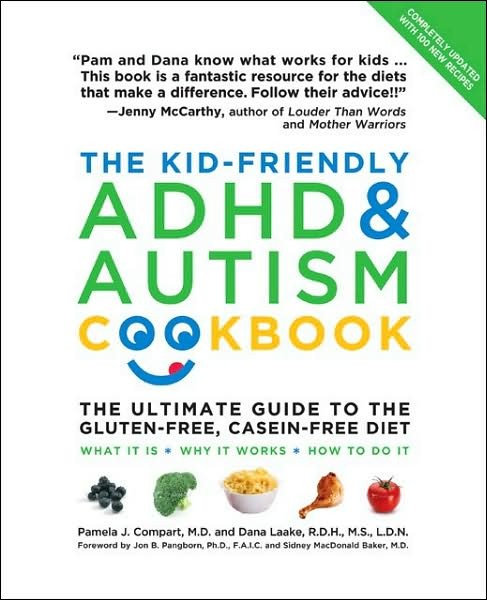
 The Kid-Friendly ADHD & Autism Cookbook, Updated and Revised: The Ultimate Guide to the Gluten-Free, Casein-Free Diet by Pamela Compart and Dana Laake has the best "kid-friendly" recipes and guide to the gluten-free, milk-free diet for ADHD and autism. In addition to updates on new research and findings, readers will find recommendations from the authors for packing school lunches and snacks, plus 100 brand new recipes. The Amazon reviews average to 4+ stars. [Kindle edition available.]
 Healing and Preventing Autism: A Complete Guide by Jenny McCarthy and Dr. Jerry Kartzinel gives parents all the necessary information about biomedical treatment. different therapies are explained, how simple changes to their child's environment and diet that can result in marked improvements and are safe and easy to try at home. And the book explains some of the more advanced therapies and how to determine whether or not such treatments would benefit their child. A paperback edition will be published March 29, 2010. [Kindle edition available.]
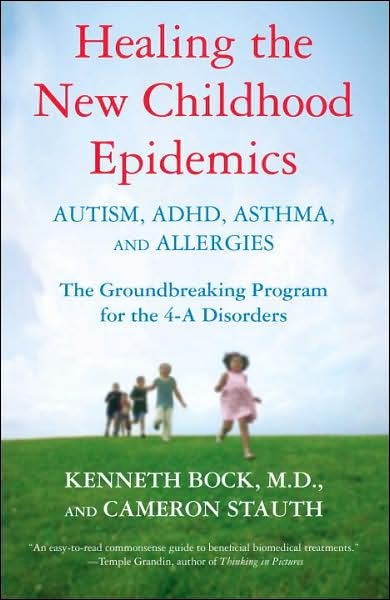
 Healing the New Childhood Epidemics: Autism, ADHD, Asthma, and Allergies: The Groundbreaking Program for the 4-A Disorders by Kenneth Bock and Cameron Stauth has a four part healing program: 1) Nutritional Therapy, 2) Supplementation Therapy, 3) Detoxification, 4) Medication, and Putting these 4 therapies together. [Kindle edition available.]
 Children with Starving Brains: A Medical Treatment Guide for Autism Spectrum Disorder by Jaquelyn McCandless is a step-by-step treatment guide for parents and doctors based on the understanding that ASD is a complex biomedical illness resulting in significant brain malnutrition. She calls it a "broad spectrum approach."
 The Failsafe Cookbook: Reducing food chemicals for calm, happy families (Updated Edition) by Sue Dengate follows the low chemical elimination diet: free of additives, low in salicylates, amines and flavour enhancers. See her Fed Up With Food Additives site for more about the effects of food on children's behaviour, health and learning ability.
 Fed Up (Fully Updated) by Sue Dengate argues the adverse affects of synthetic additives and natural chemicals in foods. Sue's books show that learning difficulties, behavioural problems and minor chronic illness in children and adults can all be the result of intolerance to food chemicals. In this updated and revised edition of Fed Up, Sue provides up to the minute information about food intolerance and elimination diets. See Sue's page: Fed Up With Food Additives.
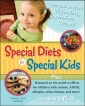 Special Diets for Special Kids, Volumes 1 and 2 Combined: Over 200 revised gluten-free casein-free recipes, plus research on the positive effects for children ... ADHD, allergies, celiac disease, and more! by Lisa Lewis Ph.D. Volume 2 followed up by providing more recipes and updated research. Now, this revised and expanded edition offers both books in one, complete with groundbreaking research, revised recipes, and color photos throughout. Part medical treatise, part cookbook, this book not only teaches how to make gluten-free casein-free (GFCF) meals and snacks, it also reveals how GFCF diets "work." Publication Date: November 1, 2010.
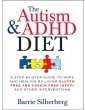 The Autism & ADHD Diet: A Step-by-Step Guide to Hope and Healing by Living Gluten Free and Casein Free (GFCF) and Other Interventions by Barrie Silberberg helps people implement a diet free of artificial dyes, preservatives, gluten and casein (milk protein). The author presents relevant scientific study and passionately shares her own success in alleviating her son behavioral symptoms of ASD by adhering to this diet. [Kindle edition available.]
 Special-Needs Kids Eat Right: Strategies to Help Kids on the Autism Spectrum Focus, Learn, and Thrive by Judy Converse, MPH, RD, LD has lab testing one might consider, how to implement certain diets (GF/CF, SCD), a list of preferred forms of supplements, she explains why and how. This is the bargain book. [Kindle edition available.]
 Unraveling the Mystery of Autism and Pervasive Developmental Disorder: A Mother's Story of Research & Recovery by Karyn Seroussi, an account of her son's recovery from autism, is one of the classics about the gluten-free casein-free diet and how powerful it can be.
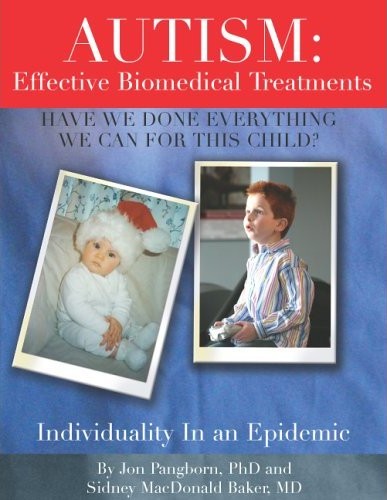
 Autism: Effective Biomedical Treatments (Have We Done Everything We Can For This Child? Individuality In An Epidemic) by Syndey Baker and Jon Pangborn. This September 2005 text is an updated revision of previous editions of Biomedical Assessment Options for Children with Autism & Related Problems that have revolutionized the biomedical approach to diagnosis and treatment of autism, PDD, and related disorders. It has explanations of many, many vitamins and nutrients, details on the methalation cycle, how the brain is affected by nutrition and the environment, sulfation. Includes full index. Great companion book to listening to the DAN! webcasts. It is technical with many statistics. All Amazon reviews give this book 5 stars. There is also a 2007 Supplement.
 Changing the Course of Autism: A Scientific Approach for Parents and Physicians by Bryan Jepson is a primer on autism, its causes and treatments. It is not a how to book. It encourages working with a Defeat Autism Now! (DAN!) Doctor to provide answers to your childs unique needs. Go to Autism Research Institute to find a doctor. [Kindle edition available.]
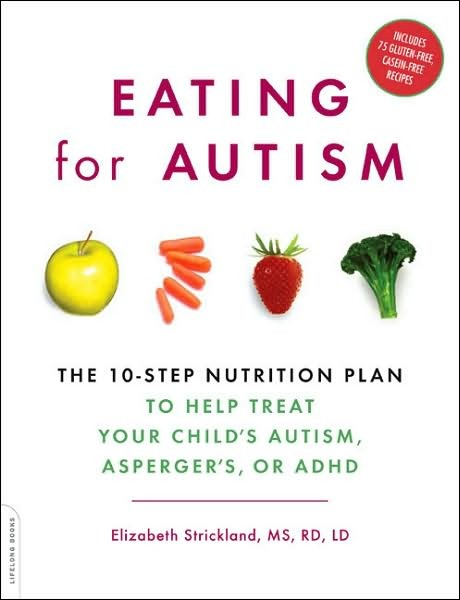
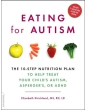 Eating for Autism: The 10-Step Nutrition Plan to Help Treat Your Child's Autism, Asperger's, or ADHD by Elizabeth Strickland starts with essential foods and supplements and moves to more advanced therapies like the Gluten-Free Casein-Free diet. The book is about EATING, and it's written for the layman, not the scientist.
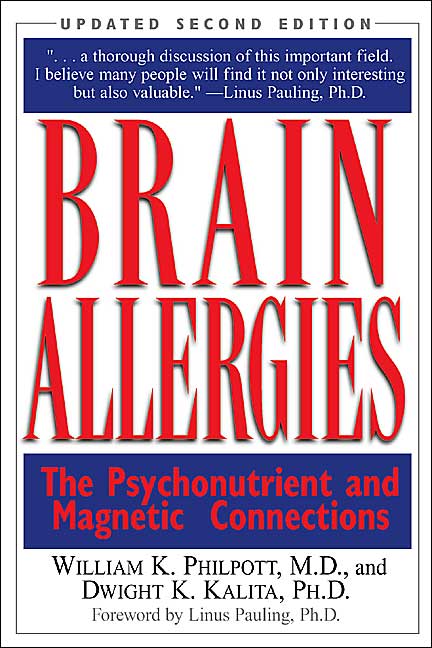
 Brain Allergies: The Psychonutrient and Magnetic Connections details the science and theory behind Dr. Philpott's approach. Covers the impact our diets can have on the mental/emotional aspect of our lives.
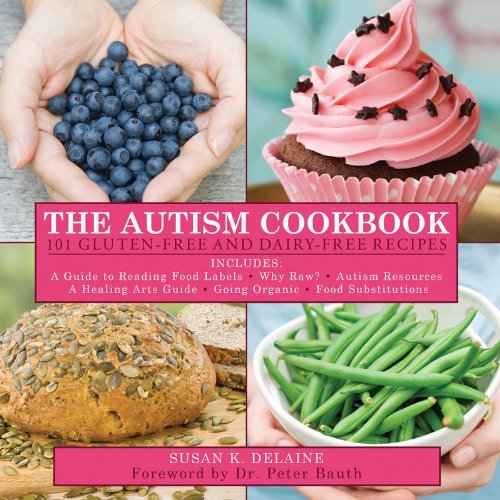
 The Autism Cookbook: 101 Gluten-Free and Dairy-Free Recipes by Susan K. Delaine. All recipes are free from wheat, rice, barley, oat, egg, milk, soy, peanut, tree nuts, fish, and shellfish. All recipes are gluten-free and casein-free, and alternatives to re?ned white sugar, such as agave nectar, are offered in recipes that require a sweetener. This book also features twenty highly nutritious raw-food recipes. Includes an easy-to-use index, glossary, appendix, a table of recommended food substitutes, and basic nutritional information about diets, common food allergies, and a guide to reading food labels. 100 color photographs. Publication Date: April 21, 2010. [Kindle edition available.]
 Biological Treatments for Autism and PDD by William Shaw. The book is an authoritative, comprehensive, and easy-to-read resource guide to a wide range of therapies that have been useful in the treatment of autism including antifungal and antibacterial therapies, gluten and casein restriction, homeopathy, vitamin therapy, gamma globulin treatment, transfer factor therapies, treatment of food allergies, and alternatives to antibiotic therapy. By understanding yeast, phenols, opiod theory, parasites and other potentially debilitating issues for autistics you can change the future for the person that is autistic. This is a technical book for the medical professional that can overwhelm the layperson. You want this 2008 3rd edition. The earlier ones have information that has become dated. The Amazon reviews average to 4 stars.
 The Spunky Coconut Cookbook: Gluten Free, Casein Free, Sugar Free by Kelly V. Brozyna is one of those rare books with a flawless 5 rating. She uses stevia and/or honey/agave to sweeten. Flours used are almond meal, brown rice flour, and coconut flour. Fats used are coconut oil and coconut milk, hence the title of the book. At Amazon you can buy almond flour. And you can buy coconut flour.
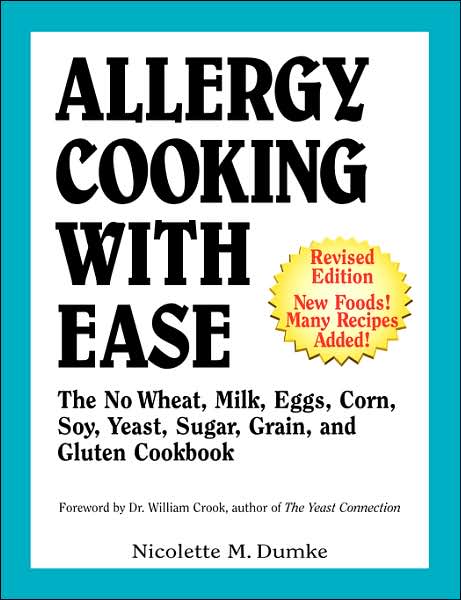
 Allergy Cooking with Ease: The No Wheat, Milk, Eggs, Corn, and Soy Cookbook by M. Dumke Nicolette contains over 250 original, family-tested, delicious recipes using a wide variety of flours and includes both vegetarian recipes and those made with a variety of unusual sources of protein. Recipes can be found for those special foods, such as pizza, ice cream, and hamburger buns. Also timesaving tricks, Allergen Avoidance Index, and Index to the Recipes by Major Grains or Grain Alternatives are included. Warning: Many recipes use goat cheese and have no substitute. All of the recipes omit the foods listed in the title. Some of the ingredients are exotic, but you may not have a choice when omitting so many foods.
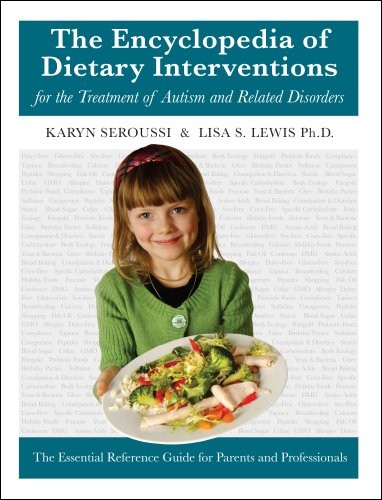
 The Encyclopedia of Dietary Interventions for the Treatment of Autism and Related Disorders by Karyn Seroussi and Lisa Lewis is an easy-to-use reference guide. Its alphabetized entries include all the important terms, concepts and theories behind every diet currently being used, as well as a thorough discussion of the diets themselves. The length of entries varies, with long entries for complicated concepts and short definitions for simpler terms. [Kindle edition available.]
 Getting Your Kid on a Gluten-Free Casein-Free Diet by Susan Lord has easy-to-follow meal plans, complete with recipes and ingredient lists. [Kindle edition available.]
 Mother Necessity Gluten Free/Casein Free Recipes by Cristin Fergus helps make your favorite foods allergen free. All recipes are free of soy, gluten, casein, eggs and corn, and do not contain refined flours or sugars. Lots of nut-based flours.
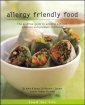 Friendly Food: The Essential Guide to Avoiding Allergies, Additives and Problem Chemicals by Dr. Velencia L.; Loblay, Dr Robert H. Soutter has recipes for people who are avoiding food chemicals, gluten, dairy, eggs, nuts and soy.
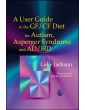 A User Guide to the GF/CF Diet: For Autism, Asperger Syndrome and AD/HD by Luke Jackson and Marilyn Le Breton. Luke Jackson, who is 12 years old and has Asperger Syndrome, tells you everything you need to know - both good and bad. He offers encouragement and practical advice on what to expect when beginning the diet, how to alleviate any initial discomfort, and how to live with the diet. Appendices by Luke's mother provide some of the family's favorite recipes, extensive lists of useful addresses, a food diary for an average week, and suggestions for packed lunches, making the book a really practical source of information. [Kindle edition available.]
 Asperger Syndrome: Natural Steps Toward a Better Life for You or Your Child (Complementary and Alternative Medicine) by Suzanne C. Lawton. Details the history and treatment of Asperger Syndrome, explaining how and why natural medicine can be effective for some sufferers. The book has a perfect 5 star rating at Amazon. [Kindle edition available.]
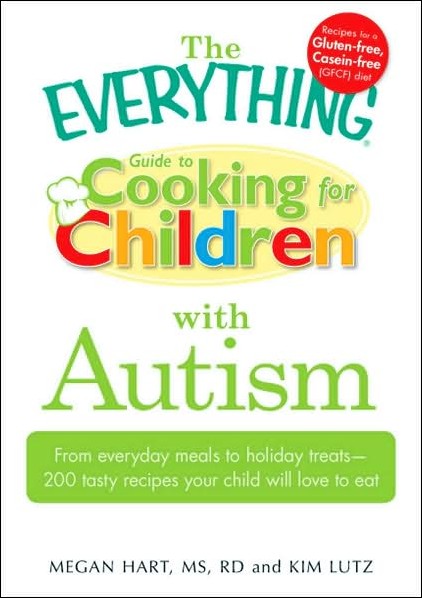
 The Everything Guide to Cooking for Children with Autism: From everyday meals to holiday treats; how to prepare foods your child will love to eat by Megan Hart and Kim Lutz. This book shows you how to prepare food your kids will love to eat. Packed with information on preservatives, additives, and good nutrition, this guide serves up 200 delicious recipes any parent can prepare. Includes tips on reading food labels, pleasing picky eaters, and tracking the diet’s success, this essential guide provides the know-how and recipes you need to make this special diet work for the whole family. Published January 18, 2010.
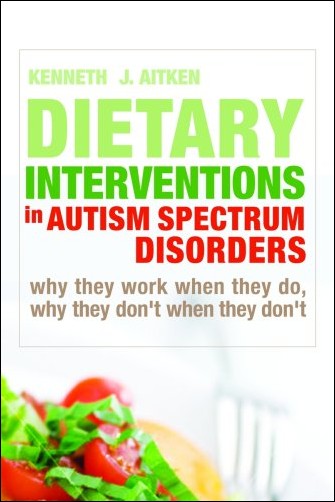
 Dietary Interventions in Autism Spectrum Disorders: Why They Work When They Do, Why They Don't When They Don't by Kenneth J. Aitken explores the main dietary approaches that have been advocated for individuals exhibiting Autism Spectrum Disorders (ASDs): the Mackarness (Low Carbohydrate, High-Protein) Diet, the Feingold Diet, the Specific Carbohydrate Diet, the CF-GF Diet, the Low Oxalate Diet, the Low Glutamate Diet/GARD (Glutamate-Aspartate Restricted Diet), the Low Phenylalanine Diet, the Low Phenol Diet, the Body Ecology Diet, and the Rotation Diet. The last main section of the text discusses the Simple Restriction Diet (SRD) that the author proposes. [Kindle edition available.]
 The Autism Mom Cooks Gluten-Free Casein-Free Classic American Cuisine by Stephanie Hemenway. This August 2009 book has 65 recipes with every dish in color. It includes all the classic American favorites; tomato soup and grilled "cheese", pancakes, fried chicken strips, onion rings, pizza, soft sandwich bread, even brownies - all virtually indistinguishable from their wheat and dairy-laden counterparts and most prepared in less than 40 minutes. Includes lists of the ingredients and tips on where to find the best prices. It starts off with a flawless 5 stars rating at amazon.
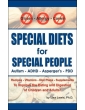 Special Diets for Special People: Understanding and Implementing a Gluten-Free and Casein-Free Diet to Aid in the Treatment of Autism and Related Developmental Disorders by Lisa S Lewis. Combine one part research with two parts practical information, add a dash of humor, and season with years of experience. Within the pages of this book, Lisa Lewis explains, in an easy and readable manner, an intriguing intervention strategy for helping children and adults with autism.
 Diet Intervention and Autism: Implementing the Gluten Free and Casein Free Diet for Autistic Children and Adults : A Practical Guide for Parents by Marilyn Le Breton. The author explains what the diet is all about and how it works, what foods can form part of the diet and what should be excluded. She addresses frequently asked questions and misconceptions. The book includes a wide selection of recipes, an extensive list of addresses and websites of suppliers of foodstuffs in the UK, and suggestions for finding out more information. It is the first book of its kind to be written specifically for those living in the UK. [Kindle edition available.]
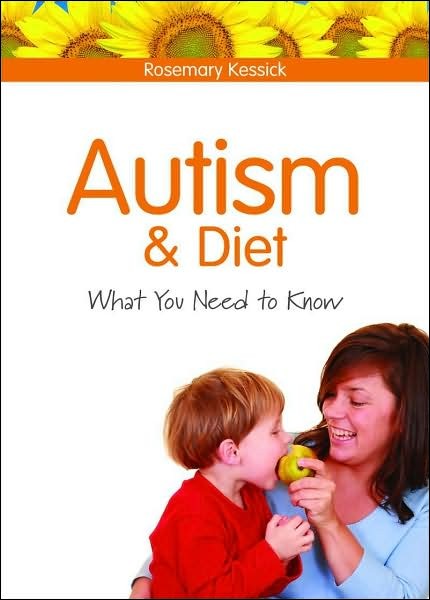
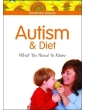 Autism and Diet: What You Need to Know by Rosemary Kessick. This book offers a concise guide to all aspects of dietary invention in children with autism, and is a resource for parents, teachers and any other family member or caregiver who needs to know how to help implement a safe and healthy diet for an autistic child. The author is the mother of an adult son with autism and inflammatory bowel disease, whose condition has been dramatically improved with appropriate medical and dietary intervention. [Kindle edition available.]
- Kalle Reichelt, M.D. of the Pediatric Research Institute in Oslo,
Norway has been researching the impact of gluten and casein intolerance
on certain individuals with developmental delays for many year. See his Collected Net Articles.
They are very enlightening, somewhat technical and include many
references to published studies. The articles include: food intolerances,
diet, mental disease, autism, schizophrenia, celiac disease, intestinal
permeability, milk protein, ADHD, downs syndrome, soy intolerances, and
more. An 80K page.
- Paul Shattock at the U. of Sunderland in the UK has a page on
The Use of Gluten and Casein Free Diets with People with Autism [archive.org].
Also a paper on
Back to The Future: An assessment of some of the unorthodox forms of
biomedical intervention currently being applied to autism [archive.org]. Newer publications can be found off a link at the bottom of ESPA Research (Autism Research Unit) page.
- Dr. Robert J. Cade of the University of Florida has been studying "exorphins" in the genesis and treatment of autism and schizophrenia. See letter and attachment that he at one time sent out to parents that contacted him. This dates from before his study was finished. In the attachment is some background and the early results of their study.
- autism-diet.com is Dr.
J. Robert Cade MD's site. Covers research, diet, people and resources. [archive.org]
- From the top proponent of increased intestinal permeability: Leaky
Gut Syndromes: Breaking the Vicious Cycle by Leo Galland, M.D.
- John Coleman's Opioids In Common Food Products-Addictive
Peptides In Meat, Dairy and Grains is an easier read than the Reichelt
page, from which much of it is based. You will see that there is no evidence
for John to also include meat, except that as a vegan he also avoids it. [archive.org]
- The
origins of agriculture -- a biological perspective and a new
hypothesis by Greg Wadley and Angus Martin argues that the shift to
cultivation and animal domestication was due to the "comfort" derived
from the opioid peptides from gluten. [archive.org]
- Those of us that follow a paleo diet, and don't live outside all the time, believe in supplementing Vitamin D. The Vitamin D Council's October 2010 newsletter has Yet Another Autism Case Report, where early intervention with large doses of Vitamin D reversed autism spectrum symptoms. This set of articles Autism and Vitamin D proposes a theory that autism is caused by a deficiency of Vitamin D during pregnancy or childhood.
- Respectrum (formerly AutismMedical.com), a website covering two UK charities, Allergy induced Autism and Visceral, both dedicated to the investigation and treatment of dietary, gastrointestinal and immune issues in autistic spectrum disorders. The site is a community with e-books and resources, chatrooms, and special interest groups.
- Some info on ARI from the celiac list:
Gluten/Casein Intolerance in Autism - Main Points and Available Internet Resources. [archive.org]
- There's a new group for autistic children whose parents are not giving them gluten or casein: Autism Network for Dietary Intervention (ANDI) [archive.org], begun by Lisa Lewis and Karyn Seroussi.
- Bernard Rimland's Autism Research Institute has a page on implementing special diets.
-
Testimony of Bernard Rimland, Ph.D. before House Committee on Government Reform. While this is mostly on research needed on the vaccine connection, he does at the end make some mention of the diet connection. [archive.org]
- Autism Speaks allows one article on the Gluten Free, Casein Free Diet (GFCF) [scroll halfway down to find this section].
- The Feingold Diet is "a dietary connection to better behavior, learning, and health." Their focus is on removed food dyes and salicylates from the diet. Also see their their more paleo version: The Cave Man's Feingold Diet [archive.org].
- Gluten Free And Autism [archive.org] is a short page giving an overview of treating autism by removing gluten from the diet. It is part of a larger site on the gluten-free diet.
- SerenAid is a digestive aid in case gluten is accidentally eaten. I wouldn't recommend it. But click on Gluten Free Diets to see their overview of diet and disorders of the autism spectrum.
- Sue Bennett at Your Autism Coach is selling SerenAid and a booklet to help
the parents of young children who have just been diagnosed to help them quickly put together a comprehensive and effective intervention program.
- Kirkman Laboratories sells scientific nutrition for autism and PDD. They carry products like Super Nu-Thera®, DMG, MSM, and others.
- Genova Diagnostics had Urinary Polypeptides testing available in the US for research use. The test was developed with the help of Paul Shattock. It is useful for: autism, ADD, ADHD, dyslexia and obsessive compulsive disorder. They still have PDFs on Intestinal Permeability Assessment and Food Antibody Assessment [archive.org].
- Sage Systems once had a "Comprehensive ELISA Allergy Test and Treatment for the Relief of Chronic Illness". See their page on Autism and its relationship to delayed food allergies [archive.org].
- The Great Plains Laboratory
for Health, Nutrition, and Metabolism is Dr. William Shaw's site. They
specialize in urine organic acid testing. Much information is at this new
site.
- Alletess Medical
Laboratory is the lab used by Dr. Cade. His study participants get the
"gluten and casein screen" test done, which looks for anti-gliaden and
anti-casein antibodies.
- BodyBio has tests for Blood Chemistry and Fatty Acid. BodyBio believes in using nutrition on functions and disorders. Included in each BioCell® Report are: what foods to seek, foods to avoid, medication intolerances, vitamins needed, vitamins not needed, imbalances in major body organs.
- Many different sites will lead you to the same food scan test which does not require a blood draw, only a finger prick. Here is one: The IgG ELISA Food Intolerance Test.
- The largest outfit that does ELISA testing for food allergy/intolerance is in Fort Lauderdale. The parent company site Immuno Laboratories is oriented towards doctors. Then they have a consumer site: Better Health USA Food Allergy Relief Center.
- And for those in the UK: York Nutritional Laboratory.
Page put on the web 16-Jan-2000.
© 2000-2024 Don Wiss. All rights reserved.
Webmaster: [Home]
Commission received if you click, then put an item in cart and buy. 
 Recipes for the Specific Carbohydrate Diet: The Grain-Free, Lactose-Free, Sugar-Free Solution to IBD, Celiac Disease, Autism, Cystic Fibrosis, and Other Health Conditions by Raman Prasad is a strict grain-free, lactose-free, and sucrose-free dietary regimen. More is at the author's page.